
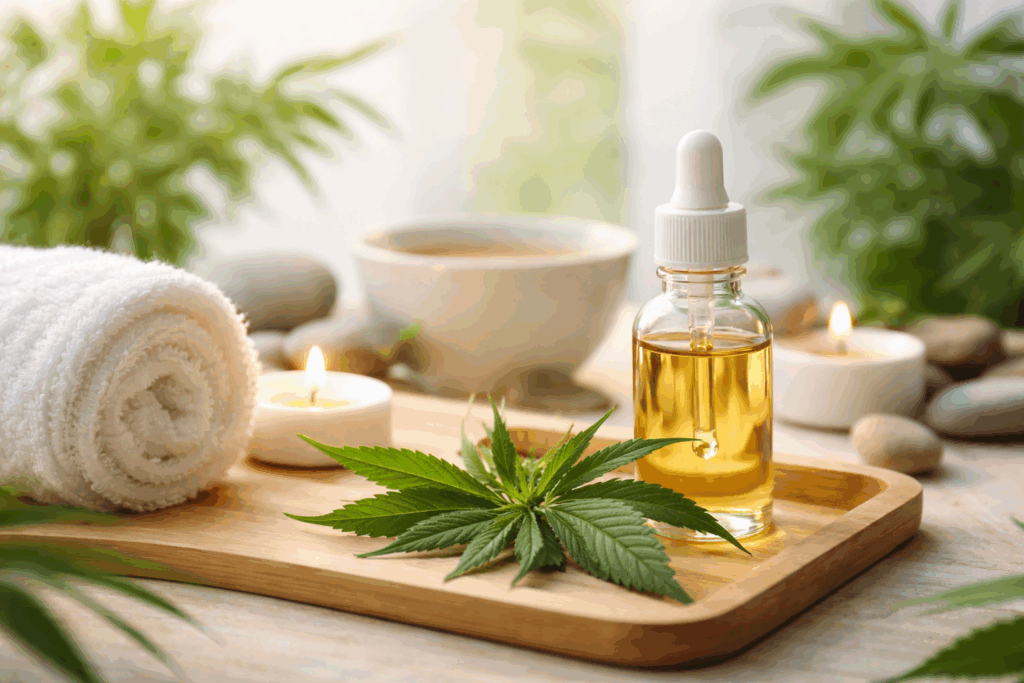
Introduction: Cannabis and Wellbeing in the 21st Century
Once associated mainly with counterculture, cannabis now stands at the crossroads of science, wellness, and lifestyle. Modern research, improved regulation, and a shift in social perception have positioned cannabis health and wellness as a legitimate part of holistic self-care. Rather than a recreational vice, cannabis is increasingly viewed as a conscious tool to support balance, recovery, and mental clarity.
For high-performing professionals navigating fast-paced environments, mindful cannabis use is becoming part of a broader wellness strategy—supporting stress management, sleep quality, and emotional regulation while maintaining productivity and focus.
The Science Behind Cannabis Wellness
The Endocannabinoid System and Balance
At the core of cannabis wellness lies the endocannabinoid system (ECS)—a complex biological network responsible for maintaining homeostasis in the body. The ECS plays a key role in regulating mood, sleep, pain perception, immune response, and cognitive function.
Cannabinoids such as CBD and THC interact with ECS receptors (CB1 and CB2), helping the body adapt to physical and mental stressors. This interaction explains why cannabis, when used intentionally, can promote resilience rather than impairment.
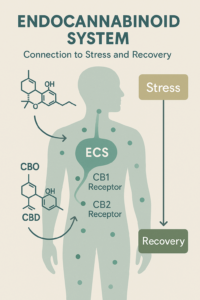
How Cannabinoids Interact with the Body: Mood – Sleep – Pain

Cannabis Health Benefits Supported by Research
Scientific interest in the benefits of cannabis for wellness has grown rapidly in recent years. While research continues to evolve, several health-related benefits are consistently highlighted.
Stress Management and Mental Clarity
When used consciously and in appropriate doses, cannabis may support stress reduction by helping regulate cortisol levels and calming the nervous system. Many users report improved presence, emotional balance, and mental clarity—effects increasingly explored within neuroscience and behavioral research.
Rather than numbing awareness, mindful cannabis use often encourages reflection and intentional relaxation, making it appealing for professionals managing high cognitive demands.
Sleep Enhancement and Recovery
Sleep quality is one of the most widely studied areas of medical cannabis benefits. Cannabinoids—especially CBD-dominant or balanced formulations—have shown potential in supporting deeper sleep cycles and reducing nighttime disruptions.
For individuals balancing long work hours, screen exposure, and chronic stress, improved sleep translates directly into better performance, creativity, and emotional stability.
Pain and Anxiety Control
Chronic pain and anxiety remain two of the most researched applications of cannabis. The interaction between cannabinoids and terpenes may help reduce inflammation, ease muscular tension, and promote calm without heavy sedation.
This makes cannabis a complementary option within broader wellness strategies, particularly for individuals seeking alternatives to more aggressive pharmaceutical interventions.
Conscious Use vs. Overuse
The distinction between benefit and harm lies in how cannabis is used. Conscious consumption emphasizes intention, moderation, and self-awareness—approaching cannabis similarly to adaptogens or wellness supplements.
Overuse, by contrast, can reduce motivation, dull focus, and undermine the very balance users seek to achieve. Responsible cannabis consumption prioritizes quality over quantity and context over habit.

The Mindful Cannabis Framework: Intention – Setting – Dosage – Reflection.
Mindful Integration into Modern Routines
Cannabis can integrate naturally into healthy routines when aligned with purpose. Evening relaxation rituals, creative reflection, or weekend digital detoxes are common contexts where cannabis supports restoration rather than escape.
Many professionals combine mindful cannabis use with complementary practices such as yoga, breathwork, stretching, or meditation—transforming consumption into a ritual of recalibration. In this way, cannabis becomes a tool for intentional living, not distraction.
Conclusion: Cannabis as a Tool for Modern Wellness
Cannabis health and wellness is no longer about rebellion or excess—it is about balance, intention, and informed self-care. When used responsibly, cannabis can support mental clarity, stress reduction, and overall wellbeing in demanding modern lifestyles.
As research continues to expand, cannabis is reclaiming its role as a wellness ally guided by knowledge rather than stigma.
Want to explore how cannabis has influenced creativity, art, and human expression throughout history?
👉 Read next: Cannabis and Culture: Art, Music, Literature, and Mysticism
FAQ
1. Is cannabis safe for everyday wellness use?
Yes, when used responsibly and in moderation. Always choose lab-tested products and start with small doses to understand your body’s response.
2. Can cannabis really improve sleep and focus?
Research suggests that certain cannabinoids, especially CBD and balanced THC formulations, may support sleep quality and cognitive balance when combined with healthy routines.
3. What defines responsible cannabis consumption?
Responsible use involves intention, awareness of dosage, product quality, and setting—treating cannabis as part of a mindful wellness routine rather than a recreational escape.